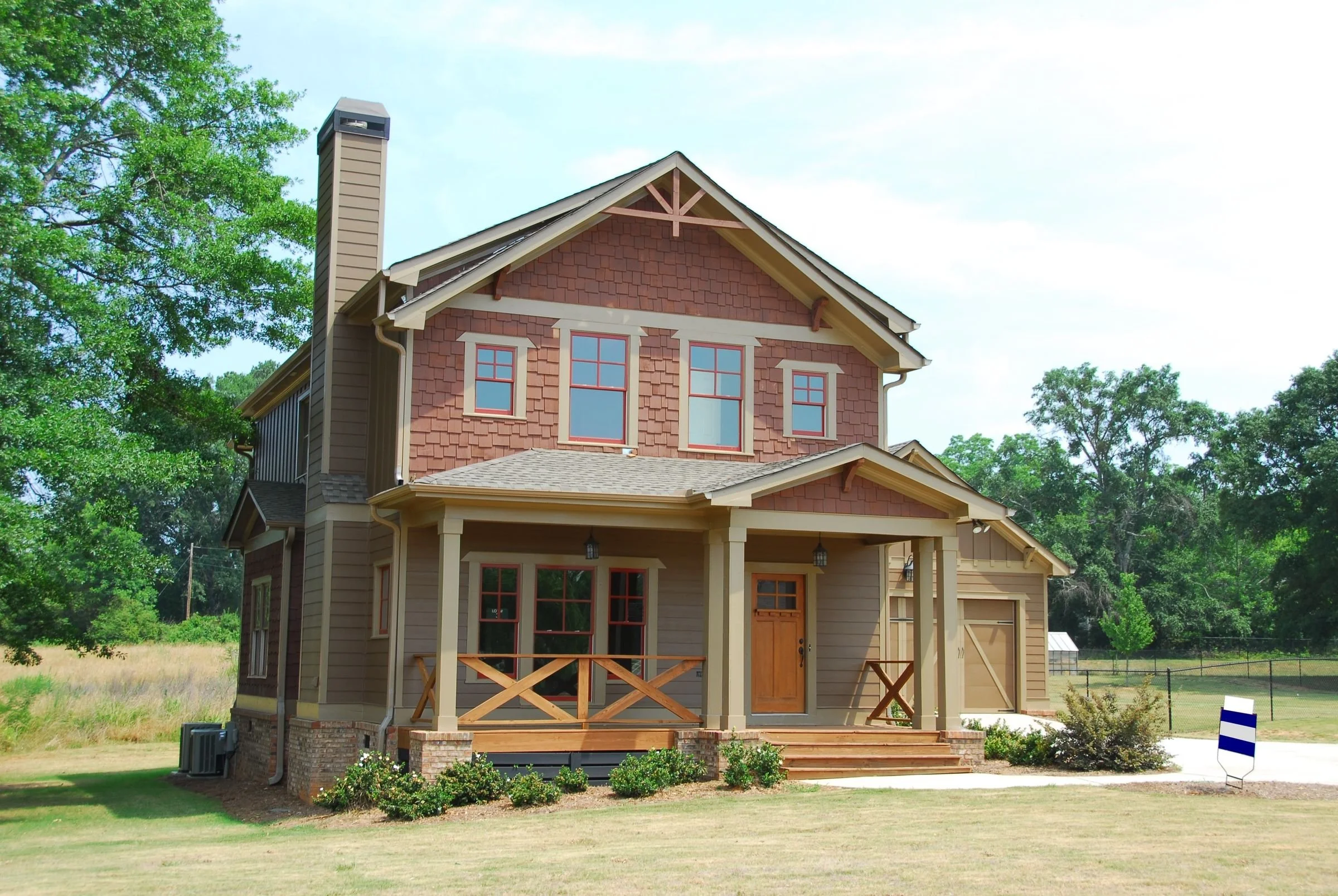
The best house for PadSplit is one that can support several legal bedrooms, has a layout people can actually share, and is not blocked by an HOA or a local rule.
There is no single style that wins. The floor plan, the bedrooms, and the restrictions matter more than the curb appeal.
I am a PadSplit Host Advisor and a real estate investor, and I start with the house every time. A good operator cannot fix a property that was never set up for shared living.
Enough legal bedrooms to make the work worthwhile
PadSplit rents private furnished rooms, one at a time. That only makes sense if you have enough real bedrooms. I look for a house that can support several legal bedrooms, enough that the extra work of a shared home is worth it.
A legal bedroom needs to be a room a person can actually live in. PadSplit publishes room standards, including a minimum room size, smoke detectors in every room, and two points of egress. Local building and occupancy rules still apply on top of that.
A den with no window, or a basement room that does not meet egress rules, is not a shortcut.
A layout that works for shared living
Members get a private room and share the kitchen, living area, and usually the bathrooms. The house works better when those shared spaces can handle more than one household's rhythm.
I like a kitchen people can use without standing on top of each other, enough bathroom access that mornings are not a fight, and laundry on site. Storage in each bedroom matters too, because members are not supposed to bring in large furniture.
A house that feels generous as a family home can still feel tight as a shared home. Walk it as if you were sharing it with people you did not choose.
Location and restrictions matter as much as the floor plan
I also look at where the house sits. Rooms tend to be a better fit when members can get to work, transit, or daily errands without a huge hassle. I do not need a trendy address. I need a practical one.
Then I check restrictions. An HOA rule against renting rooms is one of the most common reasons I walk away. Local occupancy and zoning rules can stop a deal too. I go into that in PadSplit, HOAs, and zoning, and I would run the same three filters I use on every property.
When I would walk away
I pass when the house cannot support enough legal bedrooms, when the shared spaces are too tight, or when an HOA or local rule is in the way.
If you want the signup path after the house clears those checks, start with How to become a PadSplit host. The house comes first.
FAQ
Q: What is the best type of house for PadSplit?
A: A single-family home with several legal bedrooms, a shareable kitchen and living area, and no HOA or local rule that blocks renting by the room. Style matters less than the layout and the restrictions.
Q: Do I need a large luxury house?
A: No. I would rather have simple, legal, comfortable rooms than a fancy house with a layout people cannot share.
Q: Can a small house work?
A: Sometimes, if the bedrooms are legal and the shared spaces are workable. If you only have a couple of rooms, the extra work may not be worth it.
Q: Should I buy a house just for PadSplit?
A: Only after you check the bedrooms, the layout, and the rules at that address. I would not buy on the idea alone.
Want a second set of eyes on a house?
If you have a property in mind and want to know whether it is a fit for PadSplit, book a call and I will look at it with you, conservative first. You can also email me at suzanne.vetillart@padsplit.com.
I am a PadSplit Host Advisor. You can book a call with me. The FAQ and my PadSplit webinars are a good place to start if you are still comparing houses.