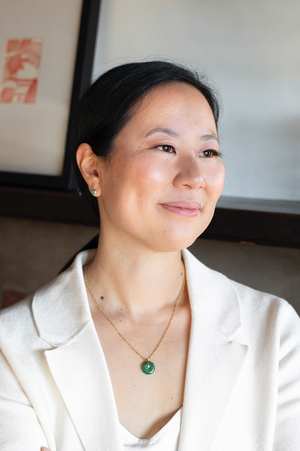
I own and operate about 40 doors in the Seattle area, and I work every week with landlords and property managers. The numbers below are why affordable housing matters to me, and why I think people like us can help. Every number links to the public source I read it on.
The short version
Of Seattle renters are cost-burdened
Share of Seattle renter households paying 30% or more of income on rent and utilities (2024).
People experiencing homelessness
King County Point-in-Time Count, 2026. That is 9% higher than 2024.
Homes Washington needs
New homes the state needs over 20 years, more than half of them for the lowest incomes.
Rent takes a big bite in Seattle
Housing is called “affordable” when rent and utilities cost no more than 30% of a household’s income. In Seattle, the typical rent is about $2,000 a month, and a large share of renters pay more than that 30% line. Almost one in five pay half their income or more.
Median gross rent in Seattle
Monthly rent plus utilities, 2024. Washington overall was $1,824.
Seattle households over the line
Renter households paying 30% or more of income on rent in 2024.
Pay half their income or more
19.4% of Seattle renter households spent 50% or more of income on rent in 2024.
Percentages are calculated from the Census counts, leaving out households where the share could not be computed.
It is a West Coast story
Seattle is not alone. Across the three West Coast states, about half of renter households or more are cost-burdened.
California
Renter households paying 30% or more of income on rent, 2024. Median gross rent: $2,104.
Oregon
Renter households paying 30% or more of income on rent, 2024. Median gross rent: $1,597.
Washington
Renter households paying 30% or more of income on rent, 2024. Median gross rent: $1,824.
What “affordable” means here
Affordable housing programs use Area Median Income, or AMI. For 2026, HUD set the median family income for the Seattle-Bellevue area (King and Snohomish counties) at $164,400. The City of Seattle uses those levels to set income and rent limits for affordable units.
Area median family income
HUD FY 2026, Seattle-Bellevue HUD Metro FMR Area.
60% AMI for one person
The income limit for a one-person household at 60% AMI on many Seattle affordable units.
Max rent, studio at 60% AMI
Including fees and basic utilities, set at 30% of monthly income.
In plain terms: a single person earning about $69,000 a year qualifies for many income-restricted units in Seattle. That includes a lot of people who work in our neighborhoods every day.
The need ahead
State and county planners have put numbers on the homes we will need through 2044.
New homes a year in Washington
What the state needs each year to keep pace with expected population growth.
Net new homes in King County
Needed from 2019 to 2044, with more than 60% for households below 80% AMI.
Emergency housing units
Estimated statewide need by 2044, for people with unstable housing.
Shelter beds for people in need
King County has about one shelter bed for every three people experiencing homelessness.
What Seattle is doing right now
More than $350M for affordable housing
On November 20, 2026, the City Council passed the 2027-28 budget, 7-2. It includes more than $350 million for affordable housing and $37 million toward new shelter beds.
Faster housing permits
Executive Order 2026-4 (August 19, 2026) streamlines permitting and creates a Housing Production Task Force. Its 2027 recommendations are due by February 2027.
More housing choices in neighborhoods
Updated Neighborhood Residential zoning, which allows middle housing under state law HB 1110, took effect January 21, 2026. The plan also adds 29 new Neighborhood Centers.
77 permanently affordable homes
In October 2026, the Office of Housing announced $13.65 million for five developments that will create 77 permanently affordable homes for purchase.
Why it matters to me
Behind every one of these numbers is a person deciding whether they can stay near their job, their school, or their family. As an investor, I see the other side too: houses with empty bedrooms, and owners who want steady, responsible income from the buildings they already have.
I do not think new construction alone can close a gap this size, at this speed. The fastest homes to add are often the ones inside buildings that already exist.
What landlords and property managers can do
You do not need to build a tower to add housing. Here is where I start with owners.
Rent by the room
A four-bedroom house can house four people at a price each of them can manage. Rent-by-the-room puts empty bedrooms to work.
Add rooms and homes in what exists
Look at basements, attics, and accessory units. Seattle’s updated zoning allows more homes on many lots.
Use a platform built for it
PadSplit is a co-living platform that handles the listing, the screening, and the leases for rent-by-the-room homes. Learn about hosting.
Seattle resources
Bookmark these. I keep them all in one place on my Affordable Housing page.
Affordable housing map
City of Seattle Office of Housing map of buildings with affordable units, as of Q2 2026. Filter by bedroom count and neighborhood.
Open the map → ZoningOne Seattle Plan Zoning Update
Proposed and adopted zoning changes, the interactive zoning map, and the Neighborhood Residential update.
See the zoning plan → PermitsExecutive Order 2026-4
The plan to speed up permits and the new Housing Production Task Force.
Read the order → Budget2027-28 budget passes
KIRO 7 on the budget with more than $350 million for affordable housing.
Read the article → LimitsIncome and rent limits
Seattle Office of Housing 2026-27 income and rent limits for affordable units.
See the limits → DataKing County PIT Count
The 2026 Point-in-Time Count and Housing Inventory Count from KCRHA.
See the data →Have a property in the Seattle area?
Book a short call and tell me about it. I will give you an honest, investor-to-investor look at whether adding rooms makes sense.